In short ⚡
Shipping container storage solutions use ISO shipping containers (typically 20ft, 40ft or high‑cube units) as secure, weather‑resistant spaces for on‑site or offsite storage of tools, inventory, furniture or equipment. Built for multimodal transport, these steel containers offer durable, lockable, scalable storage with predictable capacity, lower long‑term cost than many self‑storage options, and easy relocation if needs change.
We hope you’ll find this article genuinely useful, but remember, if you ever feel lost at any step, whether it’s finding a supplier, validating quality, managing international shipping or customs, DocShipper can handle it all for you!
What is a shipping container storage solution and is it right for you?
A shipping container storage solution is simple, you use an ISO container (often a 20ft, 40ft, or high cube container) as a lockable, weather-resistant space for storage in container setups, either on your site or as offsite storage in a container yard or container depot.
You’ll see it sold as self-storage containers, portable storage units, moving containers, and even storage moving containers when the same box supports a relocation plus temporary storage.
Here’s the thing, the container world comes from multimodal transport, created for cargo handling, container stacking, and global flows managed through freight forwarding, drayage, and last‑mile delivery.
That heritage is why it works so well for storage, the steel, corner castings, and standardized dimensions were designed to survive ports, cranes, and container tracking across routes.
From experience at DocShipper, you usually choose this route when you want durability, security, and predictable storage capacity planning without paying premium monthly rates forever.
One quick real-world moment, we’ve seen a small e-commerce brand overflow its warehousing space before peak season, and a single 40ft box placed near the distribution center solved the bottleneck faster than renegotiating a 3PL contract.
It’s also a smart fit if you need a “temporary storage now, scalable later” plan, especially when your inventory rhythms change and you want tighter inventory management.
DocShipper Info
DocShipper audits your flows, space, and budget, then recommends the right container setup, on-site or offsite, so you get secure capacity without overpaying
How container storage compares to self-storage units and portable pods
We still remember a client who booked a pod for a move, then hit week three and realized the pod price curve climbs fast, while a container rental would’ve stayed flat.
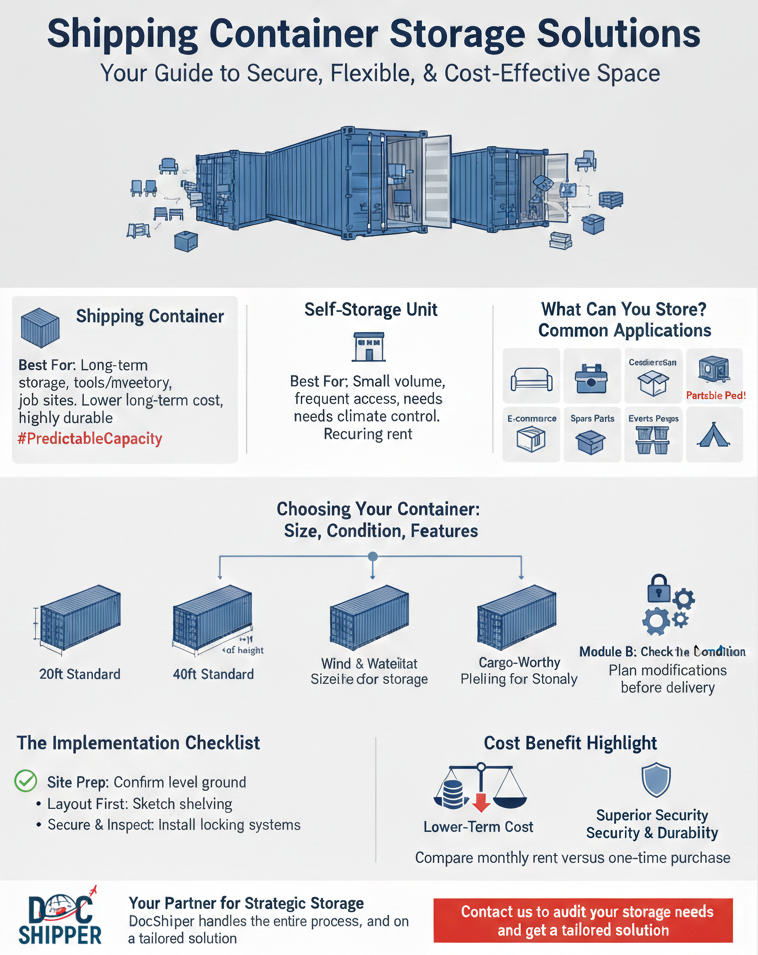
Shipping container storage solutions usually give you tougher steel and more customization options, while pods win on “drop it at the driveway” convenience.
Use this quick comparison to decide without overthinking it.
| Option | Best for | Typical constraints | Logistics notes |
| Shipping container (20ft/40ft/high-cube) | Longer term storage in container, tools, inventory, job sites | Needs placement space, delivery planning | Often involves drayage and a chassis, sometimes a container yard pickup |
| Self-storage unit | Small volume, frequent access, climate control | Recurring rent, limited heavy goods handling | No container handling, but strict site rules and access hours |
| Portable pod | moving containers for household moves and short storage | Less robust, cost can rise with time | Designed for moving and storage containers use, smoother residential delivery |
If you’re combining relocation and storage, look closely at the fine print, “storage moving containers” packages can hide handling fees similar to detention fees if the unit sits longer than planned.
DocShipper Alert
DocShipper compares offers, anticipates drayage, demurrage, and detention-style costs, and negotiates terms so your total storage bill stays under control
Common residential and business use cases for container-based storage
Tip: Before you buy or start container leasing, decide whether your pain is space, access, or security, because each leads to a different setup.
Shipping container storage solutions cover more than “extra stuff,” they can act like a mini warehousing node with basic palletization, load securing, and simple pick and pack routines.
Here are the common use cases we see work well in the field.
- Residential overflow, furniture, seasonal gear, renovation materials, temporary storage during remodels
- Trades and construction, tools and consumables on-site, with better theft resistance and controlled access
- E-commerce buffer stock, overflow inventory near your shipping point for faster last‑mile delivery
- Spare parts and maintenance, organized bins plus simple inventory management labeling
- Events and pop-up operations, short-term holding where a “real warehouse” contract makes no sense
If you’re doing cross-border flows, you’ll also hear containers mentioned alongside bonded warehouse processes, customs clearance, and HS codes, but for storage on your site you’re typically operating outside those regulated zones.
Still, the same discipline applies, label clearly, secure loads, and avoid “mystery pallets” that kill time during fulfillment.
DocShipper Advice
DocShipper helps you define space, access, and security priorities, then designs a tailored container layout for homes, sites, or e-commerce, ready to scale with you
Key advantages of using shipping containers for storage
The big reason shipping container storage solutions keep gaining traction is that you’re borrowing proven ocean-freight engineering for everyday storage, without needing a full logistics management stack.
We’ve watched teams go from cluttered aisles to a clean workflow just by putting slow movers into a dedicated container and treating it like a micro distribution center zone.
And yes, you can combine it with a shipping container moving service if your “warehouse” needs to shift locations later.
One note we like to share, UNCTAD’s regular reporting on containerized trade highlights how standardized boxes became the backbone of global supply chains, and that standardization is exactly what makes storage planning predictable for you.
DocShipper Info
DocShipper models your volumes and flows, then deploys containers as modular micro hubs that plug into your logistics without heavy systems
Cost, durability, and security benefits you can actually measure
Question: Are you paying monthly for air, or paying once for steel that lasts?
Shipping container storage solutions often come down to math, cost per cubic foot, expected years of service, and how much loss you prevent with better security.
We’ve seen a retailer cut shrinkage after moving high-value items into a locked container with a simple lockbox, plus tighter container tracking on deliveries and pickups.
Use this quick checklist to quantify whether the switch pays off.
- Total storage cost, compare monthly rent vs purchase, container rental, or container leasing
- Weather exposure, wind, rain, salt air, and whether you need added sealing
- Security layer, lockbox, internal bar, lighting, camera line-of-sight
- Handling costs, delivery, pickup, and any waiting time that can trigger charges similar to demurrage or detention fees
- Damage risk, how you’ll do palletization and load securing to prevent crushed cartons
If you’re storing temperature-sensitive goods, a reefer container can work, but you’ll want to price power, monitoring, and maintenance like you would for any controlled warehousing environment.
DocShipper Advice
DocShipper runs a full-cost analysis, from purchase or container leasing to handling and damage risk, so you know exactly when steel beats monthly storage rent
Flexibility, customization, and mobility for growing storage needs
Bold truth: the moment your inventory grows, “a little corner in the warehouse” turns into daily friction.
Shipping container storage solutions scale because you can add one box, then another, and manage them like modular capacity, sometimes even with planned container stacking where local rules allow.
We’ve helped teams set up a simple workflow that feels like supply chain optimization without the complexity.
Follow this practical workflow to keep it clean and scalable.
- Define the role, overflow, returns, tools, fast movers, slow movers
- Assign a layout, aisles, pallet positions, and “no stack” zones for fragile goods
- Add basic systems, labels, scan sheet, and a lightweight inventory management routine
- Choose modifications, vents, shelving, lighting, lockbox, or deeper container modification like roll-up doors
- Plan mobility, if you might relocate, pre-book a shipping container moving service and confirm access for the truck
If you’re operating across locations, you can even treat containers as nodes for transloading or cross‑docking, especially when cartons arrive consolidated and you break them down closer to the delivery point.
And when you don’t want to own assets, container rental keeps it flexible while you validate your volume and operational rhythm.
DocShipper Info
DocShipper designs layouts, modifications, and mobility scenarios, then coordinates container delivery and relocation so each box supports your workflow from day one
How to choose the right container size, condition, and features for storage in container setups
Last year, we worked with a logistics manager who swore a 20ft unit would be enough, until pallets started stacking sideways and doors would not close. That moment usually triggers deeper research into shipping container storage solutions, because size, condition, and features shape your daily operations more than price alone. From experience, you will notice fast how a misfit container quietly adds handling time, damage risk, and stress, especially when you scale.
Here’s the thing, choosing right is about matching volume, access, and future growth while respecting recognized standards like ISO container specifications, which ensure compatibility and safety worldwide. To help you compare options clearly, here is a practical table we often share internally.
| Container Type | Best Use | Key Watchouts |
| 20ft Standard | Tools, archives, dense goods | Limited cubic space, access planning matters |
| 40ft Standard | Bulk inventory, retail overflow | Needs more site space and ground prep |
| 40ft High‑Cube | Light goods, shelving, workshops | Slightly higher cost and clearance |
Beyond size, always weigh container condition like wind and watertight versus cargo‑worthy, and features like ventilation, lockboxes, or insulation. When we assist you at DocShipper, we often recommend planning one step ahead so your container keeps pace with growth rather than constraining it.
DocShipper Advice
DocShipper audits your SKUs, pallet patterns, and growth plans to specify the right 20ft, 40ft, or high cube unit with the features you actually need
Practical tips to plan, organize, and maintain your shipping container storage solution
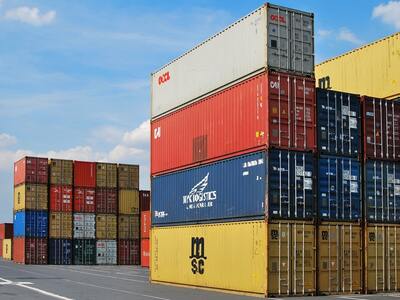
Start with layout before you buy anything. When you plan shipping container storage solutions, sketch shelving, access paths, and lighting first, because retrofitting inside steel walls is slower than expected. We once saw a client lose a full day reworking shelves because forklifts could not turn properly.
To avoid that pain, here is a concise checklist we use during onsite planning, aligned with safety guidance often highlighted by the IMO.
- Confirm ground leveling and drainage before delivery
- Plan airflow to prevent condensation damage
- Install secure locking systems and lighting early
- Schedule periodic rust and seal inspections
Maintenance stays simple if you stay consistent, and a quick monthly walk‑through saves you from expensive surprises later. We’ve seen clients protect assets just by treating containers like living spaces, not forgotten boxes, adding long‑term value instead of hidden costs.

DocShipper Alert
DocShipper sets up ground prep, ventilation, security, and inspection routines so your storage stays safe, compliant, and efficient over the long term
Conclusion
Choosing container storage is a strategic decision, not a stopgap. You might be comparing options right now and wondering if containers truly fit your needs, and that question usually comes after a tight budget or sudden growth trigger. We remember a startup founder who called us after outgrowing a rented warehouse in six months.
Shipping container storage solutions work best when you align size, features, and planning early, and insights from institutions like the World Bank consistently highlight cost control and flexibility as competitive advantages in logistics. To close, here are the key takeaways you should keep in mind.
- Match size and height to both current volume and near‑term growth
- Prioritize condition and security over the lowest upfront price
- Plan layout and maintenance before delivery, not after
- Leverage expert support when sourcing and transporting containers globally
Looking for a Reliable Shipping & Sourcing Partner?
FAQ | Shipping container storage solutions: how to get secure, flexible space at a lower cost
Rental is often best for temporary or seasonal storage. Typical ranges (will vary by country and provider):
- Monthly rental:
- 20ft: about $80–$200/month
- 40ft: about $120–$300/month
- One‑time fees to watch:
- Delivery & pickup (often $150–$500 each way depending on distance).
- Cleaning or damage fees at end of rental.
- When renting is smarter than buying:
- You need the container for less than 12–18 months.
- You’re unsure about long‑term space needs.
- You don’t want to handle resale or asset management.
Rule of thumb: if total rent (including delivery/pickup) gets close to 60–70% of a used container’s purchase price, it’s time to compare buying seriously.
Beyond the nominal “20ft” or “40ft” label, what matters is usable internal space:
- 20ft standard container (approx.):
- Internal length: ~5.9 m / 19.3 ft
- Internal width: ~2.35 m / 7.7 ft
- Internal height: ~2.39 m / 7.8 ft
- Usable volume: ~33 m³ / 1,165 ft³
- What fits: contents of a small apartment, or ~10 standard pallets if loaded efficiently.
- 40ft standard container (approx.):
- Internal length: ~12.0 m / 39.5 ft
- Internal width: ~2.35 m / 7.7 ft
- Internal height: ~2.39 m / 7.8 ft
- Usable volume: ~67 m³ / 2,385 ft³
- What fits: contents of a typical 3–4 bedroom house, or ~20–21 pallets.
Always check internal dimensions on the supplier’s spec sheet, especially if you’re planning palletized storage or shelving.
In theory, you’ll see 45ft and even 53ft containers, but “biggest you can use” depends more on your site than on catalog options:
- Common “large” choices:
- 40ft standard
- 40ft high‑cube (same footprint, extra height)
- Oversize options (more constraints):
- 45ft high‑cube ISO containers in some markets
- 48ft/53ft domestic containers (mainly North America, not always ISO‑compatible)
- What to validate before going very big:
- Site access: can a long truck reverse, turn, and safely unload?
- Ground prep: longer containers need better leveling and support.
- Local rules: zoning, setbacks, and any limits on container length or visibility.
For most storage projects, a 40ft high‑cube is the practical “maximum” before logistics and regulations become painful.
Both have their place, but they’re not interchangeable. Think in terms of what you’re protecting against:
- When plastic storage containers are fine:
- Indoor use (in a warehouse, garage, or inside a container).
- Light to medium‑weight items (documents, small parts, clothing).
- Short‑term outdoor exposure with lids snapped on and under cover.
- Risks with plastic for primary outdoor storage:
- UV exposure can make them brittle and crack.
- Rodents can chew through some plastics.
- Limited security; lids and locks are easy to force.
- Why steel shipping containers are safer as the “outer shell”:
- Structural security: lockbox + steel doors resist break‑ins far better.
- Weather resistance: if wind & watertight, they protect contents from rain and most storms.
- Fire and impact resistance: better than standalone plastic bins.
Best practice: use the steel container as the secure, weather‑resistant shell, then use quality plastic bins inside for organizing and protecting individual items.
The sticker price isn’t the whole story. Plan for these additional costs:
- Before installation:
- Site prep: gravel pad, blocks, or concrete to keep the container level and dry.
- Delivery: trucking, crane/tilt‑bed fees, access clearance work.
- Setup & modifications:
- Lockbox, new lock, vents, or insulation.
- Shelving, lighting, wiring (if you need power inside).
- Ongoing:
- Periodic rust treatment and repainting in harsh climates.
- Door seal replacement if they crack or leak.
- Insurance if you’re storing high‑value goods.
If you budget 15–30% of the container’s purchase price for setup and the first year of improvements, you’ll avoid most “surprise” costs later.
Need Help with
Logistics or Sourcing ?
First, we secure the right products from the right suppliers at the right price by managing the sourcing process from start to finish. Then, we simplify your shipping experience - from pickup to final delivery - ensuring any product, anywhere, is delivered at highly competitive prices.
Fill the Form
Prefer email? Send us your inquiry, and we’ll get back to you as soon as possible.
Contact us