Worst Incoterm Explained: EXW Risks vs FOB in 2026

  • DocShipper Team 16 Min
  • Published on June 7, 2023 Updated on January 13, 2026
img

In short ⚡

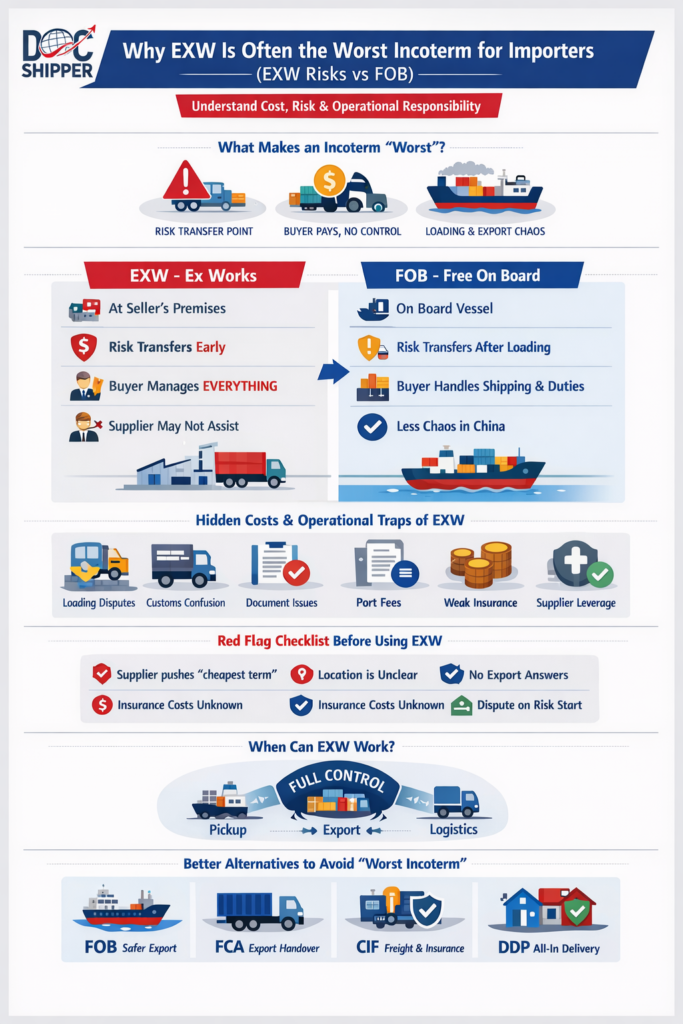
Worst incoterm for importers is usually EXW (Ex Works), because it transfers risk and many logistics, export, and loading responsibilities to the buyer as soon as the goods are merely made available at the seller’s premises. This early risk transfer often creates hidden China-side costs, disputes over loading and export clearance, and operational chaos the buyer cannot control.

We hope you’ll find this article genuinely useful, but remember, if you ever feel lost at any step, whether it’s finding a supplier, validating quality, managing international shipping or customs,  DocShipper can handle it all for you!

Free shipping quote 24h      I want to talk to a sourcing expert

What makes an Incoterm “the worst” for you as an importer?

The worst incoterm is simply the one that makes you pay for problems you can’t control, then argues the contract says it’s your fault.

If you’re importing goods from China, the wrong trade terms can quietly turn a “cheap” quote into a chain of port charges, delays, and disputes about who caused what.

We’ve seen this play out dozens of times, especially when the Incoterm looks familiar but the point of delivery is not where you think it is.

Here’s the thing, Incoterms are not about price, they’re about transfer of risk, transfer of costs, and liability allocation across your international shipment.

And if you’re comparing FOB vs EXW, you’re really choosing who holds the hot potato when something goes wrong.

DocShipper Info

Not sure how to balance cost and control across Incoterms responsibilities?
DocShipper audits your current terms, maps real tasks to risks, and helps you renegotiate clauses so you stop paying for problems you cannot control.

How Incoterms split costs, risk, and responsibilities between buyer and seller

We once watched an importer accept a “great” EXW quote, then spend the next 10 days arguing about loading charges at the factory gate and who should issue export paperwork.

That’s why the worst incoterm is often the one where you don’t map incoterms responsibilities to real-world tasks like customs clearance, documentation, and the carriage contract.

Before you pick any of the Incoterms trade terms, you need a clear split of freight responsibility: who books the freight forwarder, who controls the shipping contract, and who holds the bill of lading.

To make this concrete, here’s a quick comparison you can skim and use in negotiations.

IncotermPoint of deliverySeller’s risk endsBuyer handlesTypical “gotcha”
EXW (Ex Works)Seller’s premisesWhen goods are made available (often before loading)Pickup, loading (often), export formalities risk, main carriage, cargo insurance, import dutiesSupplier won’t support export clearance or loading, yet you own the risk
FOBOn board vessel at port of shipmentAfter loading on vesselMain carriage, cargo insurance, import customs clearance, import dutiesFOB used for air or rail shipments, creating unclear transfer points
FCANamed place (factory, terminal, forwarder warehouse)When delivered to carrierMain carriage, cargo insurance, import formalitiesPlace not specified precisely, which shifts terminal handling unexpectedly
CIF / CIPDestination port/place (cost paid by seller, risk earlier)At shipment point (risk transfers earlier than cost)Destination charges often, import clearance, dutiesYou think it’s “delivered”, then you get hit with destination port charges
DAP / DDPNamed destinationOn arrival (DDP includes cleared import)DAP: import clearance and duties. DDP: typically nothing beyond receivingDDP can hide tax compliance risks if seller uses weak importer-of-record setups

If you’re using multimodal transport, terms like CPT, CIP, and FCA often fit better than ocean-only habits like FAS or misapplied FOB.

For reference, the ICC Incoterms Committee is the body that publishes and maintains the official Incoterms rules, so you should align your contract language with those definitions.

Red flags to spot a bad Incoterm choice for imports from China
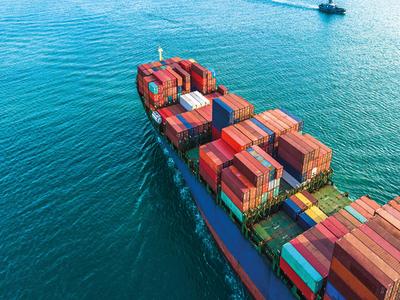
cargo ship

Tip: any time a supplier pushes you toward “the cheapest term” without talking about export formalities, you’re close to choosing the worst incoterm.

You’ll notice fast that some sellers quote EXW or CIF not because it’s best, but because it limits their delivery obligation and keeps control of certain fees.


Use this quick checklist before you sign the proforma invoice.

  • The Incoterm doesn’t match the transport mode (for example, FOB for air freight instead of FCA).
  • The named place is vague (no address, no terminal name, no port, no warehouse).
  • Export formalities are unclear (who does export customs clearance, who holds export licenses, who provides transport documentation).
  • No clarity on destination charges (terminal handling, unloading charges, port charges, demurrage rules).
  • Insurance assumptions (CIF or CIP offered, but coverage level and claims process not specified).
  • Paperwork gaps (commercial invoice, packing list, and bill of lading fields not agreed upfront).

If two people in your chain answer differently to “when does the buyer’s risk start”, you’re staring at a future dispute.

This is also why “best incoterms for importers” depends on your control over freight, compliance, and your tolerance for operational risk, not on the supplier’s habit.


Looking for a Reliable Shipping & Sourcing Partner?

We handle the entire sourcing process, supplier research, negotiation, production, and inspections, so you can focus on what matters most: growing your business.

Why EXW is often the worst Incoterm when importing from China

When readers ask us what the worst incoterm is for importing goods from China, EXW is usually the top candidate.

You’re not “getting a deal”, you’re taking ownership of a big chunk of China-side execution that you can’t easily manage from abroad.

This matters even more with incoterms chinese sourcing contexts, where factories might not be set up to handle export formalities, appointments, or handoffs to your logistics provider.

We’ve had buyers tell us, “the supplier said EXW is standard,” then discover standard meant “standard for the supplier,” not for the importer.

DocShipper Alert

Pushed into EXW by your Chinese supplier?
DocShipper can take over pickup, export clearance, and coordination in China so you avoid factory-gate disputes, missed vessels, and surprise fees baked into “great” quotes.

How EXW shifts logistics, customs, and risk almost entirely to the buyer
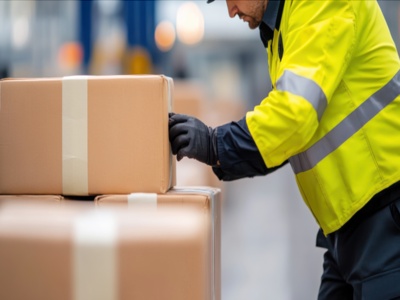
customs official with parcels

Question: do you really want to own the buyer’s risk from the moment the cartons sit on a factory floor 8,000 km away?

That’s the reality of exw meaning in shipping, the seller makes goods available, and the transfer of risk happens extremely early.

With ex works China deals, you often end up coordinating pickup, dealing with loading, arranging the carriage contract, and managing export formalities indirectly, even though you’re not the exporter of record.

To keep your team aligned, use this simple workflow to map responsibilities before you confirm EXW.

EXW execution workflow (China export to your warehouse)

  • Supplier confirms packaging, labeling, and readiness date, then releases commercial invoice and packing list.
  • You or your freight forwarder schedules truck pickup at the factory, confirms loading method, and checks loading charges.
  • Your logistics provider coordinates export-side movements to terminal, then manages terminal handling and port charges.
  • Carrier issues transport documentation (often bill of lading for ocean, airway bill for air) based on shipper details provided.
  • You handle cargo insurance decisions, import customs clearance, and import duties at destination.

If any one of those steps is unclear, EXW becomes the worst incoterm because you pay to fix ambiguity in real time.

From a compliance angle, the WCO is a useful reference point because their standards underline how sensitive customs clearance and trade compliance responsibilities are when exporter and handler roles get blurry.
DocShipper Alert

Worried your EXW workflow has blind spots?
DocShipper designs and operates the full chain from factory floor to your warehouse, closing gaps in loading, export customs, and documentation before they turn into costly emergencies.

Typical hidden costs and operational traps of EXW from Chinese suppliers

Bold truth: EXW doesn’t remove costs, it just moves them into places you won’t see until the cargo is already in motion, which is why it earns the “worst incoterm” label so often.

In practice, EXW from China can trigger surprise fees on the China side, precisely where you have the least leverage and the least onsite control.

We’ve seen a shipment miss a vessel because the truck arrived, the factory refused to load without a cash payment, and the buyer thought “pickup” included loading.

Here are the traps you should expect and price in upfront.

  • Loading disputes: the supplier treats loading as extra, yet damage during loading becomes your problem due to early transfer of risk.
  • Export formalities friction: the supplier can’t or won’t support export customs clearance, so you scramble for a workaround.
  • Documentation mismatches: shipper details on the bill of lading don’t align with your broker’s requirements, causing customs delays.
  • Terminal handling surprises: extra terminal handling, port charges, or warehouse fees appear because the handoff point was not controlled.
  • Insurance gaps: you assume the carrier covers loss, then learn your cargo insurance was never placed correctly for the full route.
  • Supplier leverage: once you’ve paid and the goods are “available,” the seller feels done, even if the pickup process falls apart.

If you’re comparing EXW vs FOB in your sourcing, remember that FOB at least forces the seller to deliver on board, which typically reduces China-side operational chaos.

And if you’re aiming for the best incoterms for importers, you’ll usually want a term that gives you control of main carriage without forcing you to manage export-side execution blind.

EXW risks

DocShipper Alert

Hidden EXW costs already eating your margin?
DocShipper audits your China-side process, identifies every loading, export, and terminal charge at risk, and restructures terms so the supplier assumes their fair share.

When EXW can work and how to protect yourself if you must use it

We still remember a buyer calling us at 10 pm, stuck at a factory gate in Shenzhen because the truck never showed up, that’s when worst incoterm suddenly stopped being theoretical and became very real. EXW can work, but only in tight situations where you fully control pickup, export clearance through a licensed Chinese agent, and upstream coordination, which the ICC Incoterms Committee openly warns is rare for foreign importers.

If you must accept EXW, this is where you lock things down, and this checklist matters because you cannot improvise later, from experience we’ve seen every missing detail turn into a surprise cost. Protect yourself with a clear operational armor before signing anything:

  • Named pickup address with loading responsibility explicitly assigned to the seller.
  • Export customs declared by a Chinese-licensed forwarder, never “to be figured out”.
  • Pre-shipment inspection scheduled before truck arrival, not after.
  • Buffer timing for factory release, Chinese suppliers often miss internal paperwork deadlines.

DocShipper Advice

Forced to accept EXW but want protection?
DocShipper can act as your local operator in China, managing pickup, export customs, inspections, and timing so EXW runs like a controlled FOB or FCA setup.

Better Incoterm options than EXW for Chinese imports (and when to choose FOB, FCA, CIF, or DDP)

Here’s the direct tip, if you want to avoid the worst incoterm scenario, start by shifting one operational block back to the seller, even partially. We recently helped a buyer renegotiate EXW to FCA Shanghai, one clause change removed export risk entirely and aligned with recommendations often cited by UNCTAD for cross-border trade efficiency.

To make this choice tangible, use this comparison below, built from what we see daily on China lanes, and read it from left to right as risk transfer, not price alone:

IncotermSeller handlesYou controlBest use case
FOBExport clearance, port deliveryMain transport, insuranceWhen you want rate control but less chaos
FCAExport clearance, handover inlandMain transport, timingContainerized shipments from multiple origins
CIFExport plus main sea freightCustoms import, last mileFirst-time imports, budget predictability
DDPEverything end to endNothing operationalSamples or urgent, low-volume goods

DocShipper Advice

Hesitating between FOB, FCA, CIF or DDP for China?
DocShipper compares real routes, volumes, and constraints, then recommends and implements the best Incoterm so you gain control without extra operational risk.

Conclusion

This is the blunt truth, the worst incoterm is rarely about price, it’s about control mismatched with responsibility, and that’s where most importers bleed cash. We see it weekly when buyers focus on unit cost and ignore process risk, something even the WTO highlights as a hidden trade barrier.

To anchor this into action, here are the key takeaways you should walk away with:

  • EXW is not “simple”, it pushes everything onto you, including risks you cannot legally manage in China.
  • FOB or FCA usually strike the best balance between control and safety for imports from China.
  • Operational clarity beats cheap pricing every single time on international freight.
  • Expert support matters, and when we step in at DocShipper, it’s usually to fix what the Incoterm already broke.

FAQ | Worst Incoterm for importers: how to avoid costly mistakes when buying from China

You can often soften an EXW deal without changing the headline term by adding operational clauses:

  • **Loading at factory**
  • Add: “Seller is responsible for loading goods onto truck at no extra charge.”
  • Specify packaging, palletizing, and who provides loading equipment.
  • **Export support**
  • Add: “Seller will cooperate with export customs broker by providing all documents within X days.”
  • List exact docs: CI, packing list, HS codes, certificates, licenses if needed.
  • **Readiness & penalties**
  • Fix a clear “goods ready date”.
  • Add a small penalty or compensation if delays cause you to miss a booked vessel/flight.
  • **Inspection access**
  • Give your inspection company/right to access factory on specific dates before pickup.
  • Share this addendum with your forwarder so they can highlight any gaps before you sign.

Ask us anything!

Need Help with
Logistics or Sourcing ?

First, we secure the right products from the right suppliers at the right price by managing the sourcing process from start to finish. Then, we simplify your shipping experience - from pickup to final delivery - ensuring any product, anywhere, is delivered at highly competitive prices.

Component-15.png

Live Chat

Get instant assistance from our team—just click and start chatting!

Live Chat Now
image

Fill the Form

Prefer email? Send us your inquiry, and we’ll get back to you as soon as possible.

Contact us
image
Component-15.png

Call us

Reach out to us on WhatsApp for quick, convenient, and personal support.

Call us
image
Component-15.png